A VPN subscription is still a payment, and a payment is still a record. Card networks and PayPal attach a name, an email, or a bank relationship to the charge. That can be exactly what you want: a receipt you can find later, a dispute process, a familiar checkout. It is a poor fit when the point of the account was to keep a long-lived identifier off the billing record in the first place.
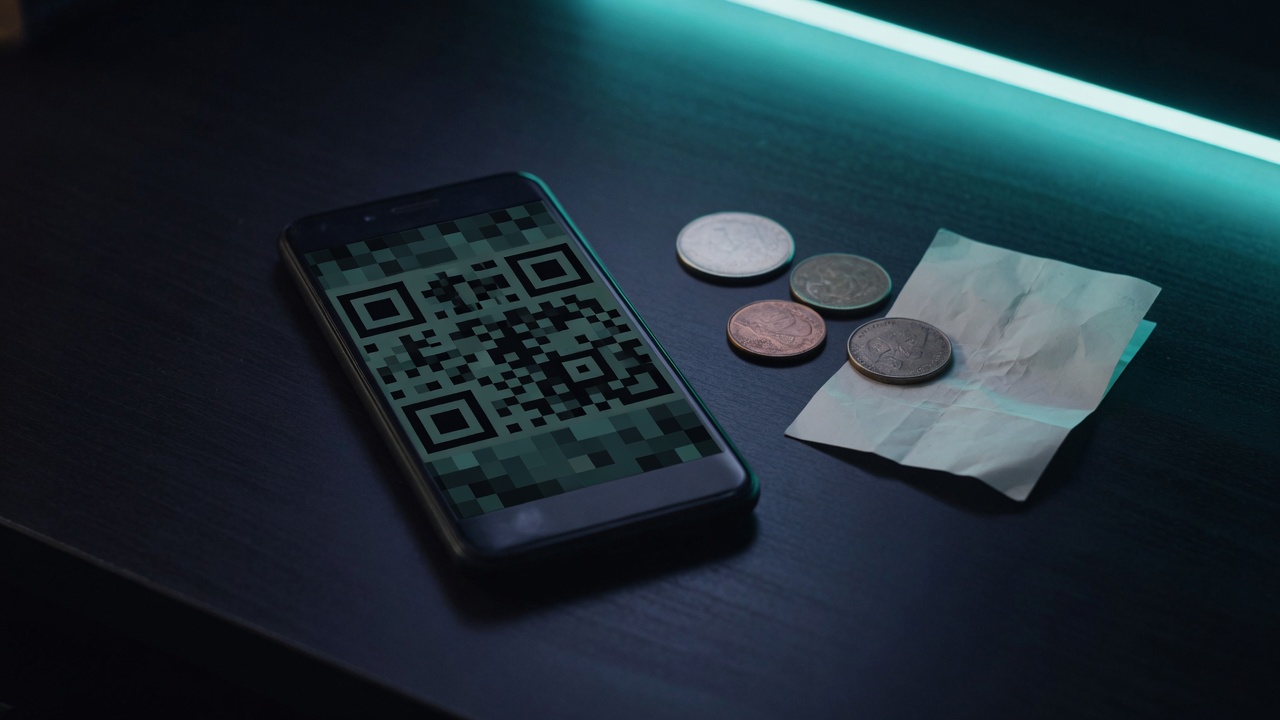
VPN Safe now takes cryptocurrency on invoices through Paymento, alongside PayPal and card. On the invoice the button is “Pay Crypto by Paymento.” It opens Paymento’s payment page for that invoice. You pay the quoted crypto amount to the address or QR code shown there. PayPal and card stay on the invoice for anyone who prefers them.
What you actually pay
The invoice itself stays in ordinary money. Paymento turns that amount into a crypto payment and shows the asset, the network, and the address for this order. The coins that page can offer include Bitcoin, Ethereum, Solana, Tron, Litecoin, Dogecoin, and Bitcoin Cash, plus USDT and USDC on the networks Paymento supports for those tokens. The list on the payment page is the one that matters. Sending a different coin, or the right coin on the wrong network, does not pay the invoice, and those funds are often unrecoverable.
A stablecoin is the closer match to the invoice total. Bitcoin and the other coins move in price between the quote and the moment the transfer confirms. Paymento is who watches the chain and reports the result. VPN Safe marks the invoice paid only after that confirmation comes back from Paymento. Landing on the return page in your browser is not, by itself, proof that the payment arrived.
What “non-custodial” changes, and what it does not
Paymento describes itself as a non-custodial gateway: it generates or assigns a receiving address and watches for the transfer, and it does not sit on the funds the way an exchange does. That is a property of the gateway, not a promise that the payment is anonymous. The chain still has a transaction. Your wallet provider, the exchange you bought the coins from, and anyone who later links that address to you can still see it. A VPN account paid in crypto is not a cash purchase.
The useful difference is narrower. You are not handing a card number or a PayPal login to the checkout, and the billing account does not have to carry the email those methods usually require. If you opened the account with a 16-digit number and no email, crypto is a way to pay that does not drag an inbox back onto the record.
Keep the address or the transaction id
The payment page shows a deposit address for this invoice, and your wallet shows a transaction hash once the transfer is sent. Keep one of them. If you later lose the 16-digit account number, the recovery page can match the account from that Paymento deposit address or from the transaction hash, the same way it can match a PayPal transaction id or a card’s last four digits plus the payment date. It returns the account number. It does not return a VPN username or a VPN password.
That only works for a payment we can tie to the invoice. A transfer sent to an old address, a tip sent to a personal wallet, or a hash from a different order will not recover the account. Copy the address from the payment page for this invoice, send only the asset and network printed next to it, and save the hash from your wallet before you close it.
What this does not change
Crypto checkout does not change the tunnel. It does not hide the sites you visit, the account you are signed into on those sites, or the IP address of a connection that is not on the VPN. It also does not replace email and password for people who want receipts and a password reset. Those options remain. The free trial is still an email-and-password signup; crypto is a way to pay an invoice, not a way to skip the trial’s account check.
Use Pay Crypto when you want to pay the subscription without a card or a PayPal account. Use PayPal or a card when you want that paper trail. On the crypto page, read the asset and the network before you send. The address on that page, or the transaction hash afterward, is also the spare key to the 16-digit account number if you ever need it back.