
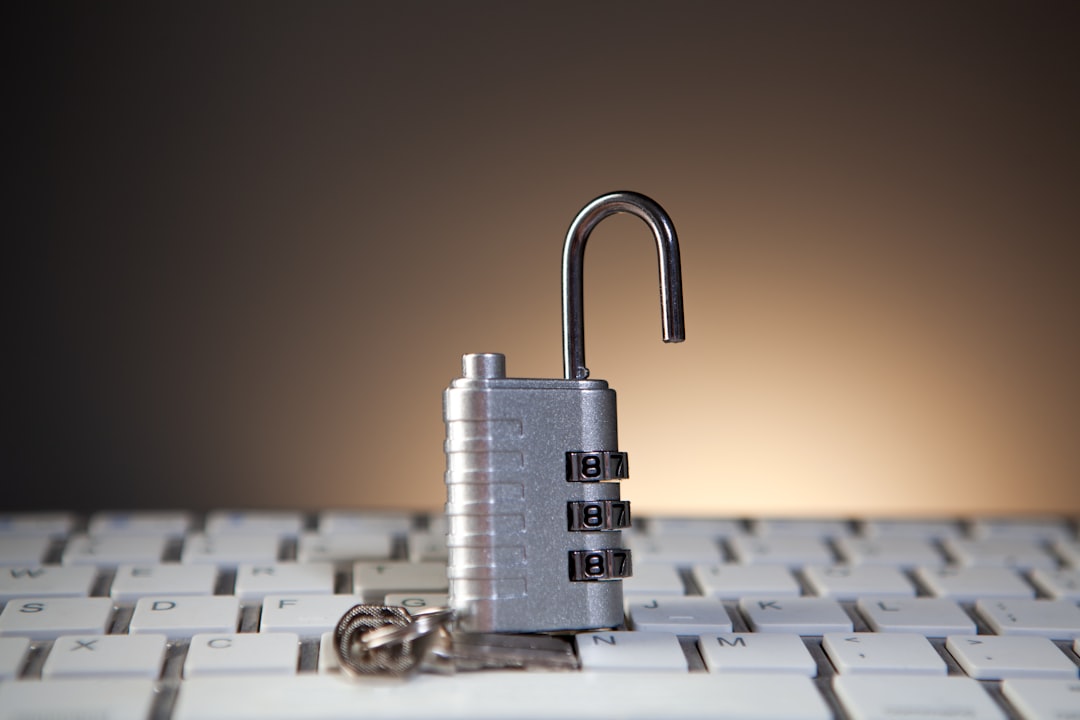
In today’s digital landscape, it’s easy to feel like you’re living in a fishbowl. Every click, every search, and every online transaction is being watched, recorded, and analyzed. The notion of digital privacy seems like a distant memory, a relic of a bygone era. But here’s the thing: you don’t have to be a passive victim of the digital surveillance state. You have the power to take control of your online presence and protect your digital privacy. In this comprehensive guide, we’ll delve into the world of digital privacy, exploring the risks, the benefits, and the practical steps you can take to safeguard your personal data.
Understanding the Risks: The Dark Side of Digital Surveillance
The digital world is a complex and often treacherous place. Every time you go online, you’re leaving behind a trail of digital breadcrumbs that can be used to track your movements, monitor your behavior, and even steal your identity. The risks are real, and they’re more pervasive than you might think. Here are just a few examples:
- Data breaches: Hackers and cybercriminals are constantly on the lookout for vulnerabilities in online systems, seeking to exploit them and gain access to sensitive data.
- Online tracking: Advertisers, marketers, and other third-party entities use cookies, beacons, and other tracking technologies to monitor your online activities and build detailed profiles of your behavior.
- Social engineering: Scammers and phishers use psychological manipulation to trick you into revealing sensitive information or clicking on malicious links.
- Use a virtual private network (VPN): A VPN creates a secure, encrypted tunnel between your device and the internet, protecting your data from interception and eavesdropping.
- Enable encryption: Use encryption tools like SSL/TLS to protect your data in transit, and consider using full-disk encryption to safeguard your device’s storage.
- Use privacy-focused browsers and search engines: Alternatives like Tor, DuckDuckGo, and Brave offer enhanced privacy features and reduced tracking compared to mainstream browsers and search engines.
- Review and adjust your social media settings: Be mindful of the personal data you share on social media, and adjust your settings to limit who can see your posts, photos, and other information.
- Protecting your financial security: Identity theft, financial fraud, and other forms of cybercrime can have devastating consequences for your financial well-being.
- Safeguarding your reputation: Online harassment, cyberbullying, and other forms of digital abuse can damage your reputation and cause long-term harm.
- Preserving your freedom: In a world where surveillance is ubiquitous, protecting your digital privacy is essential for maintaining your autonomy and freedom of expression.
- Artificial intelligence (AI) and machine learning (ML): AI and ML can be used to enhance digital privacy by detecting and preventing cyber threats, as well as automating privacy-related tasks.
- Blockchain and decentralized technologies: Blockchain and other decentralized technologies offer new ways to secure and manage personal data, reducing the risk of data breaches and unauthorized access.
- Quantum computing: The advent of quantum computing promises to revolutionize the field of cryptography, enabling the creation of unbreakable encryption methods that can protect data from even the most sophisticated threats.
- Digital privacy is a critical issue that requires proactive attention and protection.
- Practical steps like using VPNs, enabling encryption, and reviewing social media settings can help safeguard your personal data.
- Emerging trends and technologies like AI, blockchain, and quantum computing promise to transform the way we think about digital privacy.
- By prioritizing digital privacy, you’re protecting not just yourself, but also contributing to a safer, more secure digital environment for everyone.
To mitigate these risks, it’s essential to understand how they work and take proactive steps to protect yourself. This includes using strong, unique passwords, enabling two-factor authentication, and being cautious when clicking on links or providing personal data online.
Taking Control: Practical Steps to Protect Your Digital Privacy
So, how can you protect your digital privacy in a world that seems designed to erode it? The good news is that there are many practical steps you can take to safeguard your personal data and maintain control over your online presence. Here are a few actionable tips:
By taking these steps, you can significantly reduce your digital footprint and protect your personal data from unauthorized access.
The Benefits of Digital Privacy: Why It Matters
So, why is digital privacy so important? In a world where data is the new oil, your personal information is a valuable commodity that can be used to manipulate, exploit, or even harm you. By protecting your digital privacy, you’re not just safeguarding your personal data – you’re also:
By prioritizing digital privacy, you’re taking a proactive stance against the forces that seek to erode your personal freedoms and exploit your data for their own gain.
The Future of Digital Privacy: Emerging Trends and Technologies
As the digital landscape continues to evolve, new trends and technologies are emerging that promise to transform the way we think about digital privacy. Some of these include:
As these technologies continue to mature, we can expect to see new innovations and solutions emerge that will help us better protect our digital privacy and maintain control over our online presence.
In conclusion, digital privacy is a critical issue that affects us all. By understanding the risks, taking proactive steps to protect yourself, and staying informed about emerging trends and technologies, you can safeguard your personal data and maintain control over your online presence. Remember, digital privacy is not just a right – it’s a responsibility. By prioritizing it, you’re not just protecting yourself – you’re also contributing to a safer, more secure digital environment for everyone. Key takeaways: